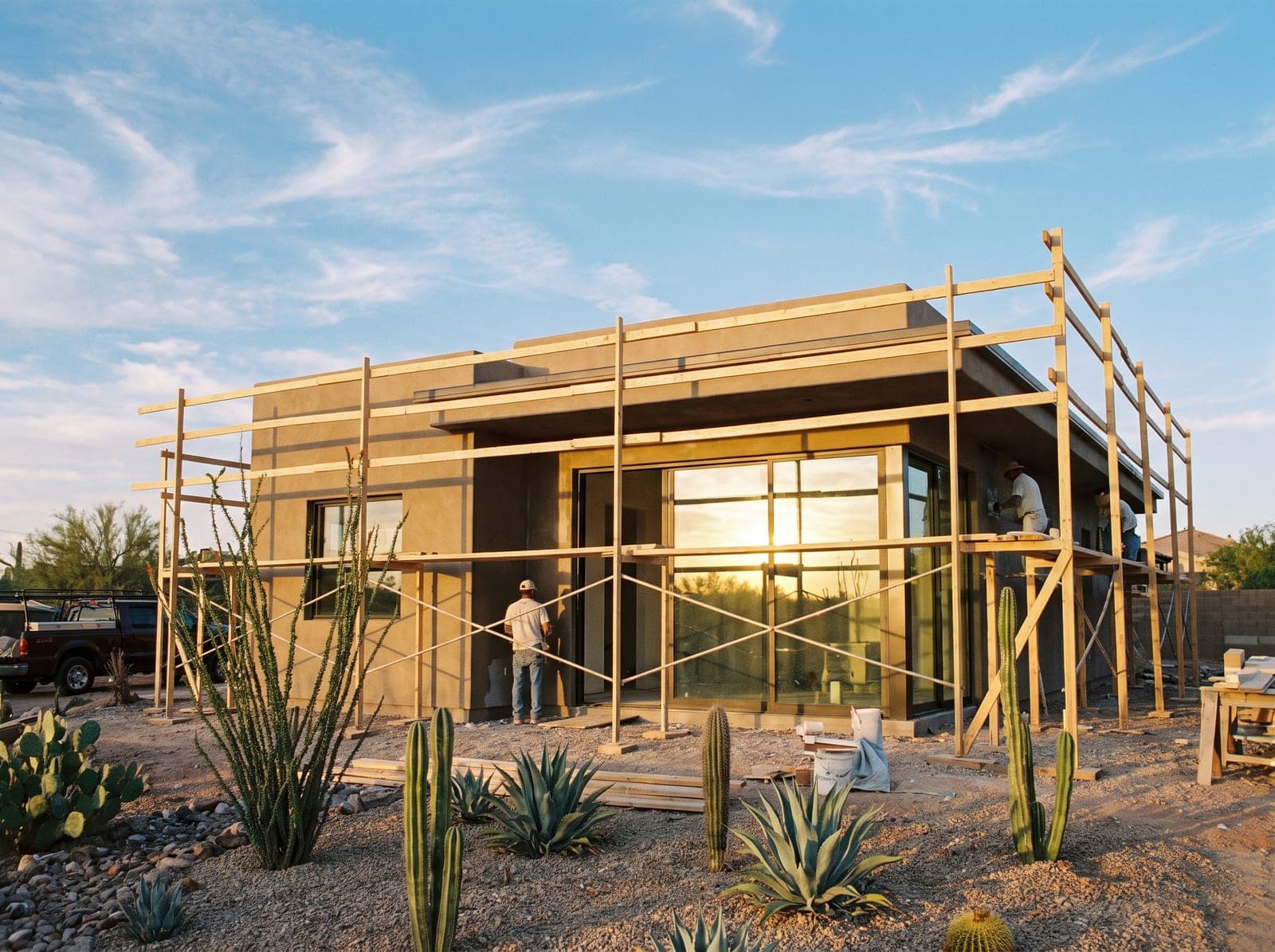
Arizona has taken steps to make it easier to build accessory dwelling units (ADUs), part of a broader push to add housing options. For homeowners, that's opened real opportunity — but "easier" doesn't mean "anything goes." What you can actually build still depends heavily on your city and your specific lot. Here's a practical overview.
What's changed statewide
Recent Arizona legislation has pushed cities to allow ADUs more broadly in single-family zones and to reduce some of the barriers — like excessive parking requirements or owner-occupancy mandates — that used to make ADUs impractical. The intent is to let more homeowners add a second unit for family or rental.
What still varies by city and lot
- Maximum ADU size (often tied to your lot size or the primary home)
- Setbacks — how close the unit can sit to property lines
- Height limits, especially near neighbors
- Parking requirements
- Whether short-term rentals are allowed
- HOA architectural rules, which apply on top of city zoning
HOAs are a separate approval
Even where your city allows an ADU, a master-planned community's HOA may have its own architectural review for anything visible from the street. In much of the East Valley — Power Ranch, Seville, Encanterra, and others — you'll need both city and HOA approval. We prepare submittals designed to pass the first time.
How to check your options
Start with a feasibility check: your zoning, lot dimensions, setbacks, and utility locations determine what's possible. From there, a licensed contractor can design a unit that fits the rules and pull the permits. We handle that whole process so you don't have to decode the code yourself.
Related services & areas
Planning a project in Gilbert or the East Valley?
Call for a free, no-obligation quote from a licensed local contractor. We answer the phone.
(602) 932-3354