Window & Door Replacement in Gilbert, AZ
Energy-efficient window and exterior door replacement — lower cooling bills, better comfort, and a fresh look.
Licensed & insured · 15+ years local · Free estimates — just call
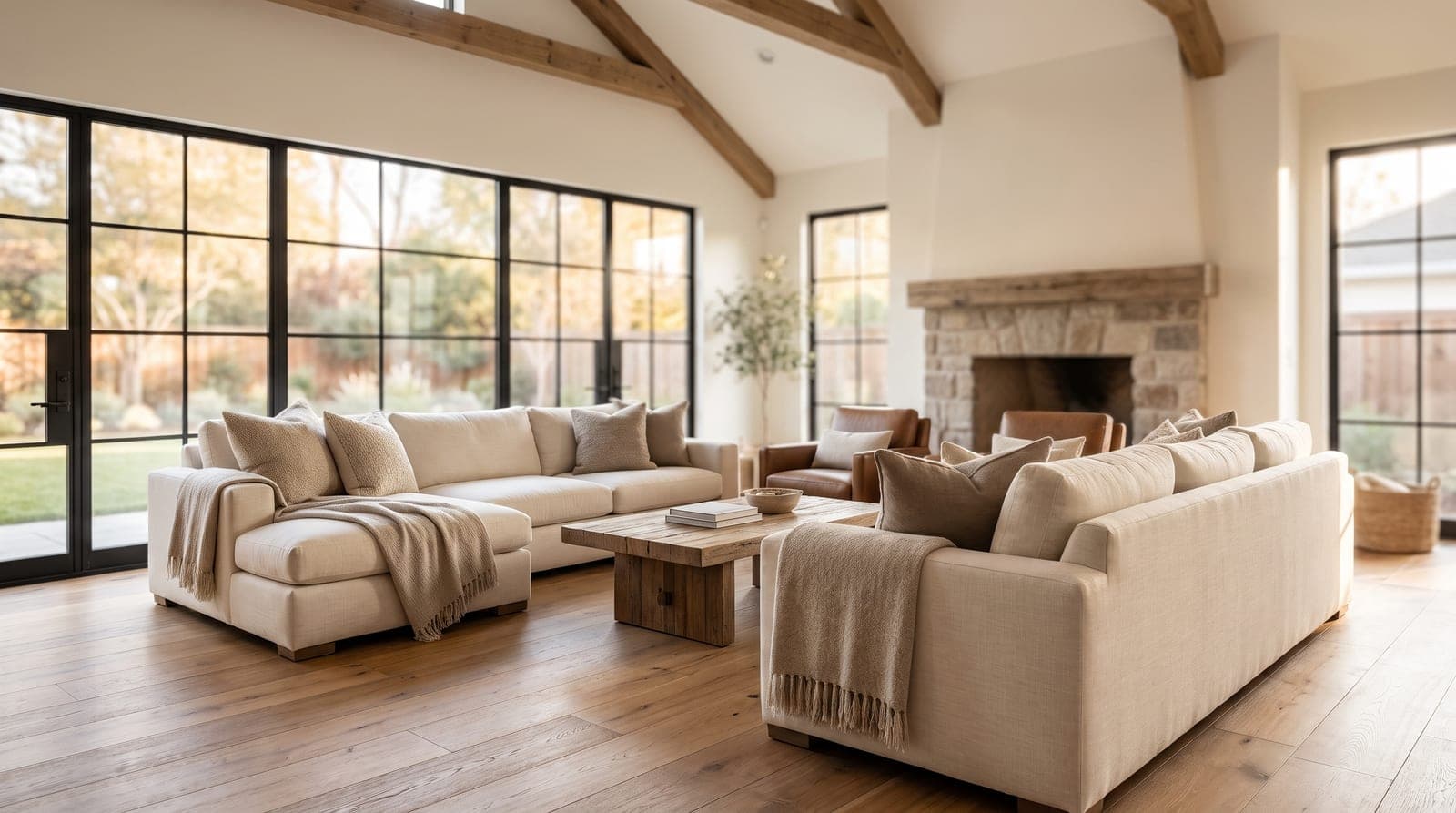
In Arizona's climate, windows and doors do more work than almost anywhere else — and old, single-pane or failing units quietly cost you every summer. We replace windows and exterior doors with modern, energy-efficient, dual-pane low-E units that cut heat gain, lower cooling bills, block outside noise, and refresh how the whole home looks.
A window that leaks air or water is almost always an installation problem, not just a product one. We install every window and door with proper flashing and waterproofing so it seals correctly and lasts — from a single patio slider to a whole-home replacement, including entry doors, French doors, and large sliders that open the home to the outdoors.
In most of the country, windows and doors are mostly about looks and a little about drafts. In the East Valley they are one of the hardest-working parts of your house, and the ones most likely to be quietly costing you money. From roughly May through September, the sun beats on the glass and the west-facing walls of Gilbert and Chandler homes for twelve to fourteen hours a day, and single-pane or failing dual-pane units let that heat pour straight through into your living room. Your air conditioner spends the whole summer fighting a load your windows are handing it, and you feel it two ways at once: rooms that bake in the afternoon no matter where you set the thermostat, and a cooling bill that climbs every June. Old, tired windows and doors are the definition of a problem you stop noticing because it never turns off.
The fix is not exotic, but it has to be done right for the desert. Modern dual-pane windows with a low-emissivity (low-E) coating are engineered to do exactly the job Arizona demands of them: reflect a large share of the sun's radiant heat back outside while still letting in daylight, so the glass stops acting like a space heater at three in the afternoon. Pair that glass with a well-built frame and a properly sealed exterior door, and the whole envelope of the house tightens up. The AC cycles less, the hot spots by the windows fade, the afternoon glare softens, and outside noise drops noticeably. It is one of the few upgrades that pays you back in comfort every single day and in a lower cooling bill every summer for as long as you own the home.
But the product on the truck is only half of it, and in our climate it is the smaller half. A window or door is only as good as the way it is installed, because the make-or-break detail in Arizona is not the glass rating printed on the sticker — it is the flashing and waterproofing hidden behind the trim. A unit set without proper flashing will leak air, waste the efficiency you paid for, and, when the monsoon finally drives rain sideways into the opening, leak water into the wall where you cannot see it until the damage is done. On this page we walk through how energy efficiency actually works in our heat, the window and door options we install, why the installation matters more than the brand, and what a window and door replacement realistically costs in the East Valley — so you can plan the project with clear eyes.
What's Included
- Dual-pane, low-E energy-efficient windows
- Entry, French, and patio sliding doors
- Proper flashing and waterproofing
- Reduced heat gain and lower cooling bills
- Permits and code compliance handled
- Interior and exterior trim finishing
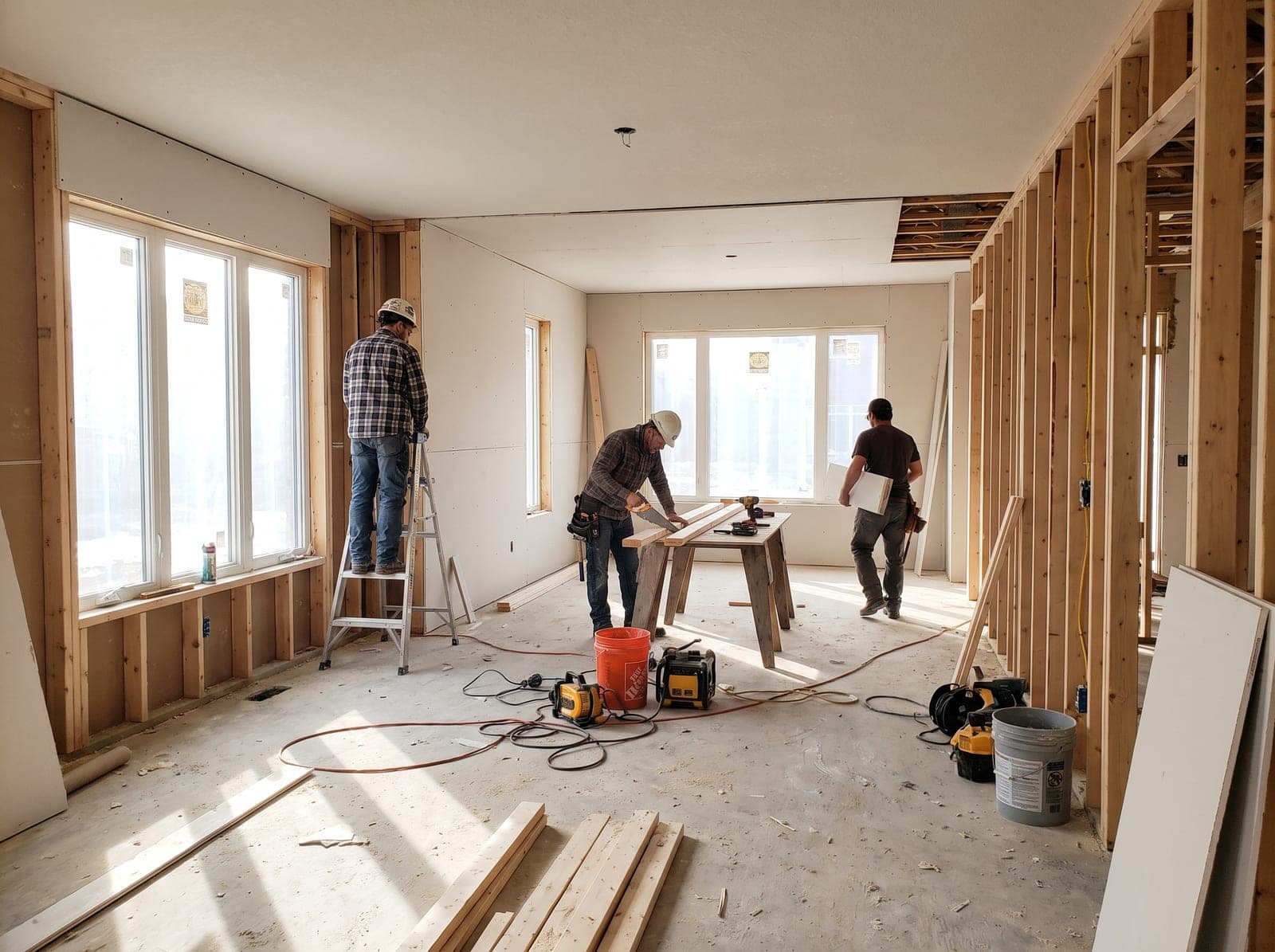
Energy Efficiency in the Arizona Heat
The reason windows matter so much here comes down to how heat gets into a house. In a mild climate, most of the summer heat load sneaks in slowly through the walls and roof. In the desert, a huge share of it comes as direct solar radiation straight through the glass — sunlight that turns into heat the moment it lands on your floor and furniture. That is why a single, poorly performing west-facing window can make an entire room uncomfortable while the rest of the house feels fine. Replacing that glass with a modern dual-pane, low-E unit attacks the problem right where it enters, and it is the single most effective thing most homeowners can do to calm down a room that bakes every afternoon.
Dual-pane construction and low-E coatings each do a distinct job. The two panes of glass with an insulating gas fill between them slow the transfer of heat through the window the way a double wall would, so the outside pane can be scorching while the inside pane stays far closer to room temperature. The low-E coating is a microscopically thin layer on the glass that reflects radiant heat — it is what keeps the sun's energy from passing through in the first place. For our climate the number to care about is the solar-heat-gain rating: a lower solar-heat-gain coefficient means the window blocks more of the sun's heat, which is exactly what you want on the south- and west-facing sides of an Arizona home. We help you match the right glass package to each exposure rather than putting the same unit on every wall.
It is worth being honest about what new windows will and will not do. They are not a magic switch that halves your power bill overnight, and any company promising a specific guaranteed percentage is selling you a number it cannot actually back up, because real savings depend on your home, your old windows, your orientation, and how you run your AC. What we can say plainly is that replacing old single-pane or failing units with quality dual-pane low-E windows meaningfully reduces the heat your air conditioner has to fight all summer, and the comfort improvement is immediate and obvious — the afternoon hot spots ease, the glare drops, and the rooms hold their temperature instead of climbing the moment the sun hits the glass. Windows are also often the highest-impact piece of a larger Home Remodeling project, which is why we frequently fold a replacement into a broader update of the house.
Windows: Styles, Frames, and Glass
The most common replacement window we install is the horizontal slider, which has been the East Valley standard for decades and suits the wide openings of most Arizona homes. Single- and double-hung windows that open vertically are popular too, especially where a home's style calls for them. Beyond those workhorses we install casement windows that crank open for a tight seal and good ventilation, picture windows that maximize a view and daylight where you do not need the window to open, and specialty shapes and fixed units for gables, transoms, and architectural openings. Part of our job during the in-home consultation is matching the operating style to how you actually use each room — a window over a kitchen sink, a bedroom egress window, and a fixed picture window framing the backyard each want a different answer.
Frame material is the other major decision, and it shapes both performance and maintenance. Vinyl frames are the most popular choice in our market for good reason: they insulate well, never need painting, hold up to the sun when they are a quality product, and keep the project affordable. Fiberglass and composite frames cost more but offer excellent strength and stability in extreme temperature swings, which matters when a frame expands and contracts through 40-degree daily ranges in summer. Aluminum frames, common in older Arizona homes, conduct heat readily and are usually what we are replacing rather than installing, though modern thermally broken aluminum has its place for certain looks. We walk you through the trade-offs so the frame fits your budget, your home's style, and how long you plan to stay.
Glass is where you tune the window to Arizona. Beyond the dual-pane, low-E baseline, we can specify the glass package to the exposure and the room: a lower solar-heat-gain coefficient on the brutal west and south walls, a slightly higher one where you want warmth and light on a north-facing room, and options like tinted or additional low-E layers where the sun is relentless. For bedrooms and homes near busy roads, the same dual-pane construction that blocks heat also cuts outside noise noticeably. Where an opening requires it by code — bedrooms need an egress window that opens wide enough to escape through — we make sure the replacement meets that requirement. The goal is not to sell you the most expensive glass in every hole; it is to put the right glass in each opening so the whole house performs.
Doors: Entry, French, and Patio Sliders
Exterior doors carry the same double duty as windows in our climate — they have to seal against the heat and stand up to the sun — and they set the first impression of the whole house. A new entry door is one of the highest-impact upgrades you can make: an insulated fiberglass or steel door with proper weatherstripping stops the air leaks and drafts that an old, warped, sun-faded door lets through, and it transforms the look of the front of the home. Fiberglass in particular handles the Arizona sun well, resisting the warping and finish failure that punish wood doors on an unshaded, west-facing entry. We replace the door, the frame, the threshold, and the weatherseal as a system, because a beautiful new slab hung in a worn-out frame still leaks.
French doors and patio sliders are how East Valley homes open up to the backyard, the pool, and the patio, and they are among our most requested replacements. French doors — a hinged pair that swings open — bring a classic, elegant look and a wide opening for indoor-outdoor entertaining. Patio sliding doors are the desert workhorse: they take up no swing space, offer a big glass opening for light and views, and modern multi-panel sliders can open a whole wall to a covered patio or ramada. Both come in the same energy-efficient dual-pane, low-E glass as our windows, which matters enormously on a big slider, since that expanse of glass is one of the largest heat-gain surfaces on the entire house. An old aluminum-framed single-pane slider is often the biggest single energy leak in the home, and replacing it is one of the most satisfying upgrades we do.
Doors are also where accessibility enters the conversation, and it is worth planning for. Standard interior and exterior doors are often too narrow for a walker or wheelchair, and a raised threshold at a patio slider or entry door is both a trip hazard and a barrier. When we replace exterior doors we can widen the opening and install low-threshold or zero-threshold units that let someone roll or step through cleanly, and wider swing doors and barrier-free sliders are a natural fit for the work we do under our Accessible and Aging-in-Place Remodeling service. Many homeowners staying in their homes for the long haul pair a door replacement with those accessibility upgrades, so the entrance to the house and the path out to the patio work for every stage of life. Because widening an opening is structural work, it is worth doing at the same time as the replacement rather than as a costly retrofit later.
Why Proper Installation and Flashing Matter
Here is the truth the glossy brochures leave out: the most important part of a window or door replacement is not the product, it is the installation — and specifically the flashing and waterproofing around the opening. You can buy the best dual-pane low-E window made, and if it is set into the wall without proper flashing it will underperform and, eventually, leak. Flashing is the layered system of membranes and sealants that directs any water that reaches the opening back to the outside and seals the unit against air infiltration. It is completely hidden behind the trim and stucco when the job is done, which is exactly why cut-rate installers rush it or skip steps — you cannot see the corner they cut until it costs you.
In Arizona the stakes are quieter than in a wet climate but no less real. Because it rarely rains, a badly flashed window can sit for a year or two looking perfect while it leaks air the whole time, wasting the efficiency you paid for and letting dust work into the wall. Then the monsoon arrives, and a summer storm drives rain sideways with sixty-mile-an-hour gusts straight into the west wall of the house. Water finds every gap the flashing should have closed, runs down inside the wall cavity, and soaks the framing and drywall where no one can see it. By the time a stain shows up on the interior wall or the drywall goes soft, you are looking at hidden rot and a repair far larger than the window ever cost. Proper flashing is cheap insurance against a five-figure problem.
We install every window and door as a complete, sealed system. That means removing the old unit carefully, inspecting the opening for any existing damage, and building the flashing and waterproofing correctly in the right sequence so water and air are both managed — then setting the unit level and square, sealing it properly, and finishing the interior and exterior trim so it looks right and stays weathertight. On stucco homes, which is most of the East Valley, tying the new flashing into the existing stucco and building paper correctly is its own skill, and it is where a lot of quick-swap installers fail. We do it as a licensed general contractor with one accountable crew, so the person who guarantees the window is the same one who stands behind the way it was installed. That is the difference between a window that performs for decades and one that becomes a leak you discover the hard way.
What Window and Door Replacement Costs in the East Valley
Window and door pricing spans a wide range, and it is driven by a few clear factors: how many openings you are replacing, the size and operating style of each unit, the frame material and glass package you choose, the type of door, and whether any opening is being resized or newly cut. A single patio slider or entry door is a modest, high-impact project; a whole-home window replacement is a larger investment that pays back over years of lower cooling bills and better comfort. Rather than quote a vague per-window number over the phone, we measure your actual openings, look at your exposures and your existing frames, and give you a detailed, fixed-price quote so you know the full investment before any work begins. There are no surprise change orders on our projects.
A handful of Arizona-specific factors move the number. Homes in older parts of Mesa, Tempe, and Apache Junction sometimes have out-of-square openings, deteriorated framing, or original aluminum frames that take more labor to remove and correct, and we would rather find and fix that than hide it behind new trim. Retrofit installations, where the new window is set into the existing frame, cost less than full-frame replacements that take the opening down to the studs — and which approach is right depends on the condition of what is already there. Resizing an opening, converting a window to a door, or adding a large multi-panel slider involves structural and stucco work that adds to the cost but is often worth it. The glass package matters too: aggressive low-E and solar control on the west-facing openings costs a bit more and earns it back where the sun is worst.
Permits are part of doing the job correctly. Like-for-like window replacements often do not require a permit, but changing the size of an opening, cutting a new opening, or replacing exterior doors frequently does, and the requirement depends on your jurisdiction — the Town of Gilbert, the cities of Mesa, Chandler, or Tempe, Pinal County, or whichever authority governs your address. We handle any required permits and inspections and tell you honestly what your specific project needs. Because a window and door replacement so often rides along with a larger update, we can price it as a standalone job or fold it into a broader Home Remodeling or Room Additions project — new windows in a wall we are already opening up, or an expanded opening for a slider onto a new patio — so you get one firm number, one schedule, and one accountable team standing behind all of it.
Window & Door Replacement FAQs
Will new windows really lower my cooling bill in Arizona?
Do window and door replacements need a permit?
What does low-E glass actually do, and is it worth it in Arizona?
Should I replace all my windows at once or a few at a time?
Can you replace just my patio slider or a single entry door?
What is the difference between retrofit and full-frame window installation?
Can you widen a doorway or lower a threshold when you replace a door?
Talk to a real Gilbert contractor
No forms, no waiting on a callback. Call now for a free, no-obligation quote — we answer the phone.
(602) 932-3354Tap to call
- Hours
- Mon – Sat: 7:00 AM – 6:00 PM
- Sunday: By Appointment
- Licensed & insured
- 15+ years serving the East Valley
Local Service
Window & Door Replacement Near You
We provide window & door replacement across the East Valley. Choose your city for local details.
How It Works
Our Process
- 1
Free Consultation
Call for a free quote. We visit, listen to your goals, and assess the space.
- 2
Design & Fixed Quote
You get a detailed plan and a transparent, fixed-price quote — no surprises.
- 3
Permits & Build
We pull permits and build with licensed in-house crews, keeping you updated.
- 4
Final Walkthrough
We walk the finished project together and stand behind our workmanship.
Reviews
What Our Clients Say
“Clear communication, on-time delivery, and the results exceeded our expectations. Our kitchen is unrecognizable — in the best way.”
“They handled the permits and construction seamlessly. We now have a beautiful ADU for Linda's mother, and it was far less stressful than we feared.”
“No hidden costs, no surprises. The quote was the price, the schedule was the schedule. I'd hire them again in a heartbeat.”
Explore More
Related Services
Ready for your window & door replacement project?
Call now for a free, no-obligation quote from Gilbert's trusted licensed general contractor. We answer the phone.