Permits protect you: they make sure the work is safe, up to code, and won't cause problems when you sell or refinance. In Gilbert and across the East Valley, most structural, electrical, plumbing, and mechanical work needs a permit — but plenty of cosmetic updates don't. Here's how to tell the difference.
Remodels that usually need a permit
- Room additions and second-story additions
- ADUs, casitas, and garage conversions (change of use)
- Moving or removing walls (anything structural)
- New or relocated plumbing and electrical
- Water heater and HVAC changes
- Window and door openings that change the structure
- Re-roofing and major exterior work
Work that usually doesn't need a permit
- Painting, flooring, and trim
- Cabinet and countertop replacement in the same layout
- Fixture swaps that don't move plumbing or wiring
- Cosmetic finishes and hardware
How the permit process works
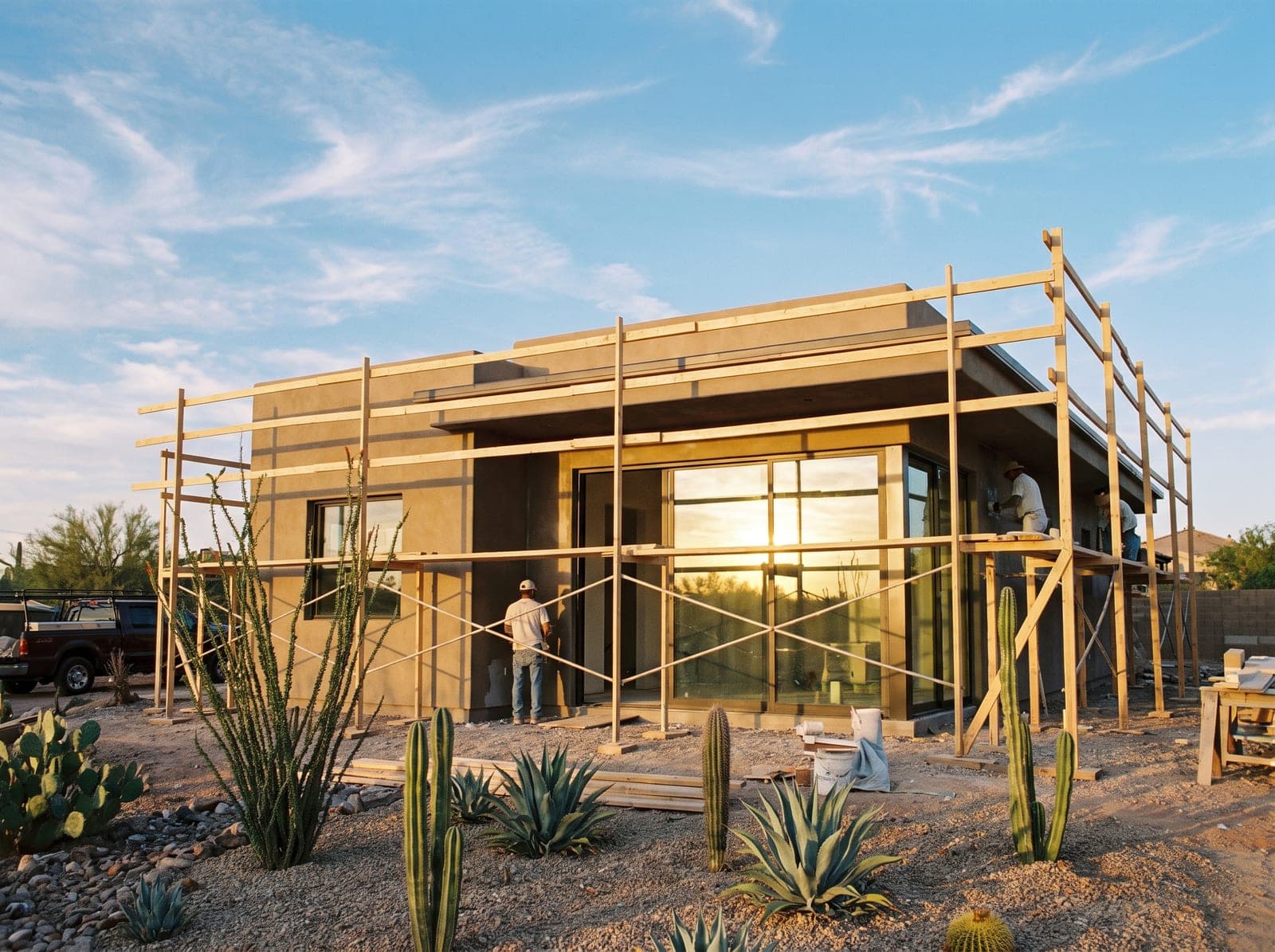
For a typical remodel, plans are submitted to the city, reviewed for code compliance, and approved before work begins. Inspections happen at key stages, and a final inspection signs off the finished project. It sounds involved because it is — which is why most homeowners have their contractor manage the whole process.
Don't forget your HOA
Many Gilbert and East Valley communities — Power Ranch, Seville, Agritopia, and others — have HOA architectural review on top of city permits, especially for anything visible from the street like additions, casitas, and exterior changes. Both approvals matter.
Why hire a licensed contractor
A licensed general contractor pulls the permits, schedules inspections, and takes responsibility for code compliance. That keeps your project legal and protects the value of your home. Unlicensed "handyman" work on permit-required jobs is where homeowners get burned.
Related services & areas
Planning a project in Gilbert or the East Valley?
Call for a free, no-obligation quote from a licensed local contractor. We answer the phone.
(602) 932-3354